Sleep Apnea Treatment & Orthodontic Solutions

Sleep apnea, which literally means “without breath,” is a serious sleep disorder in which breathing repeatedly stops for 10 seconds or longer during sleep. These interruptions can occur dozens, even hundreds, of times per night, often without the person realizing it.

At Dr. W. Gray Grieve Orthodontics, we help identify airway-related concerns and provide treatment options that support healthier breathing and better sleep.

What Are the Signs of Sleep Apnea?

Sleep apnea symptoms can affect both adults and children. Common signs include loud snoring that disrupts others, gasping or choking upon waking, and waking with a racing heart. Many patients feel exhausted even after a full night’s sleep and may experience morning headaches or excessive daytime sleepiness.

Other symptoms can include difficulty concentrating, memory problems, irritability, unexplained weight gain, and acid reflux in adults. In children, sleep apnea may present as attention difficulties, hyperactivity, or bedwetting.

Left untreated, sleep apnea has been linked to serious health conditions including high blood pressure, cardiovascular disease, diabetes, obesity, and increased risk of injury.

What Happens During a Sleep Apnea Episode?

Sleep apnea episodes occur when the airway becomes partially or fully blocked during sleep. As muscles relax, the tongue and lower jaw can shift backward, narrowing or closing the airway. This blockage results in apneas (complete pauses in breathing) or hypopneas (shallow breathing).

These episodes may last from 10 seconds to over a minute and can significantly lower oxygen levels in the body. As oxygen drops, blood pressure rises and the heart works harder to compensate. The brain briefly wakes the sleeper to restore breathing, often ending in a snort, gasp, or cough. Once sleep resumes, the cycle can repeat throughout the night.

How Can Orthodontic Treatment Help With Sleep Apnea?

Orthodontic treatment can play an important role in managing certain types of sleep apnea, particularly when jaw position or airway development is involved. Appliances designed to reposition the lower jaw may help keep the airway open during sleep.

Dr. Grieve evaluates airway structure, jaw alignment, and bite relationships to determine whether orthodontic intervention may support improved breathing.

If you suspect that you or your child may be experiencing sleep apnea, please contact Dr. W. Gray Grieve Orthodontics for an evaluation. Early diagnosis and treatment can significantly improve both sleep quality and overall health.

What Occurs During an Apnea

Serious and life-threatening problems start when sleepers begin experiencing apneas (where breathing stops) and hypopneas (where breathing is shallow due to an obstruction). Breathing is usually blocked in the back of the throat when the tongue and muscles relax during sleep, the lower jaw falls back toward the throat, and the airway becomes blocked.
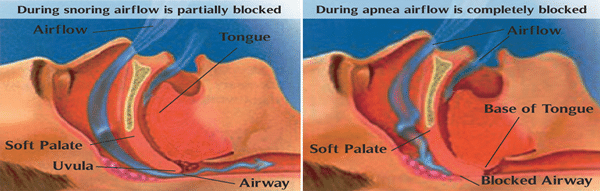
Sleep ApneaApneas can last from 10 seconds to a minute or longer and can occur hundreds of times per night.

The body’s oxygen level drops which in turn causes blood pressure to rise. The heart is forced to beat faster, which increases the pulse rate. The brain may cause the arms, legs or whole body to jerk in an attempt to wake the sleeper to resume breathing. The silence may end with a loud snort, cough or gasp. This causes the sleeper to wake briefly and begin breathing. Once asleep again, the muscles relax etc. and the process repeats itself.

Please let Dr. Grieve know if you feel you are suffering from sleep apnea.

Frequently Asked Questions

Sleep apnea can raise many questions, especially when exploring treatment options beyond CPAP therapy. Below are answers to common questions patients in Eugene, OR ask about orthodontic treatment for sleep-related breathing issues.

Can an orthodontist really help with sleep apnea?

Yes, in certain cases. When sleep apnea is related to jaw position or airway restriction, orthodontic treatment or oral appliances may help improve airflow during sleep. Dr. Grieve evaluates your bite and jaw alignment to determine whether orthodontic care can be part of your treatment plan.

A formal sleep study is typically required to diagnose sleep apnea. If you suspect you may have sleep apnea, your primary care physician or a sleep specialist can arrange testing. We are happy to coordinate with your medical provider to determine the best course of care.

Yes, children can experience sleep-disordered breathing. In some cases, orthodontic treatment that supports proper jaw development can improve airway function. Early evaluation is important if symptoms such as mouth breathing or restless sleep are present.

Coverage varies depending on your medical or dental insurance plan. Some sleep apnea appliances are billed through medical insurance. Our team can help guide you in understanding your benefits and next steps.

Untreated sleep apnea can increase the risk of serious health conditions over time. Early diagnosis and appropriate treatment can significantly improve sleep quality, energy levels, and overall health.